Animals · 45 items
Animal Size Comparison
Compare all 45 animals on SizeComparison.games — from the largest, the Blue Whale at 30 m (98 ft 5 in), to the smallest, the Bee Hummingbird at 5.8 cm (2.3 in).
Animals come in sizes that are hard to believe until you put them side by side. A blue whale can be longer than three school buses end to end, while the smallest bird in the world could sit comfortably on your fingertip. This page brings together 45 animals, from whales and dinosaurs to hummingbirds and rabbits, so you can compare them all in one place.
Size is one of the first things we notice about an animal, and it shapes almost everything else about how that animal lives. A giraffe needs a long neck and a powerful heart to pump blood up to its head. A blue whale needs an enormous heart, a tongue the weight of a small car, and a body built to move through water rather than fight gravity on land. At the other end of the scale, a bee hummingbird beats its wings dozens of times a second and must feed almost constantly, because a tiny body loses heat quickly. When you compare animals by size, you are really comparing different solutions to the same problems: finding food, staying warm, moving around, and avoiding predators.
That is why the same number can mean very different things. A great white shark and a reticulated python are both about six metres long, but one is a powerful swimmer and the other a constrictor that moves slowly on land. A wandering albatross and a hippopotamus both measure about three and a half metres, yet one is measured across its wings and the other from nose to tail. Every entry in the table below tells you which measurement is used — length, height, width or diameter — so you are comparing like with like as far as possible, and you can see at a glance when a figure is approximate.
Almost every animal size on this site is marked approximate, and that is deliberate. Animals vary by age, sex, region and individual, and many figures are species averages or typical adult sizes rather than exact measurements of one individual. A male lion is not the same length as a female lion, and a wild elephant is not the same height as one in a zoo. Dinosaurs add another layer of uncertainty, because their sizes are estimates built from fossil bones. We label those figures approximate too, and our sources page explains which families of references the figures come from, from natural-history museums to encyclopaedias and wildlife records.
Use this page as a starting point, not a final answer. Sort the table to find the largest and smallest animals, search for a favourite, and then open any animal in the Compare tool to see it drawn to scale next to anything else on the site — a bus, a building, a planet. Try the Daily game to test whether you can guess an animal's size, or take the Quiz to see whether you can tell which of two animals is bigger. Children often start with the whale and the elephant, then work their way down to the animals they know from home, and that is exactly the point: size is easiest to understand when it is anchored to something familiar.
All 45 animals by size
| Photo | Name | Size | Measured as | About it |
|---|---|---|---|---|
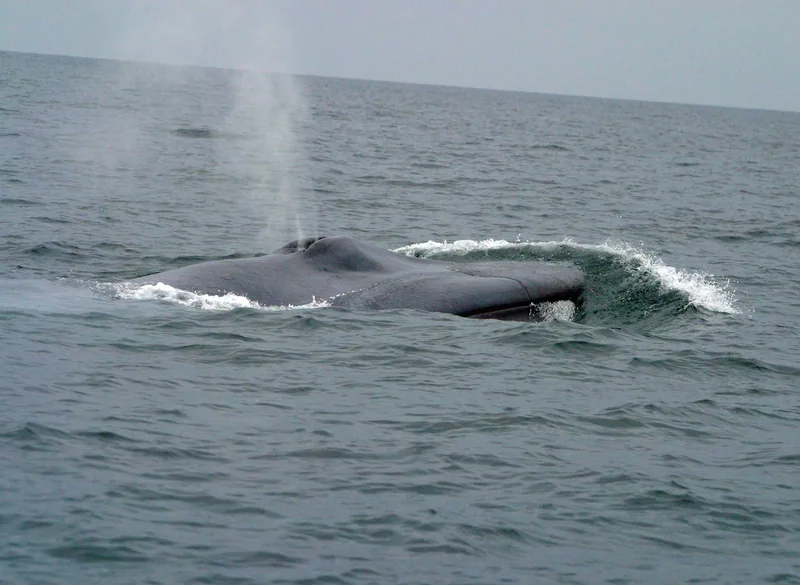 | Blue Whale | 30 m (98 ft 5 in) approx. | length | The blue whale is the largest animal known to have ever existed. |
| Apatosaurus | 23 m (75 ft 6 in) approx. | length | Apatosaurus (extinct) was a huge long-necked sauropod dinosaur. | |
| Humpback Whale | 16 m (52 ft 6 in) approx. | length | The humpback whale is known for its long pectoral fins and songs. | |
| Sperm Whale | 16 m (52 ft 6 in) approx. | length | The sperm whale is the largest toothed whale in the world. | |
| Giant Squid | 13 m (42 ft 8 in) approx. | length | The giant squid is one of the largest invertebrates in the world. | |
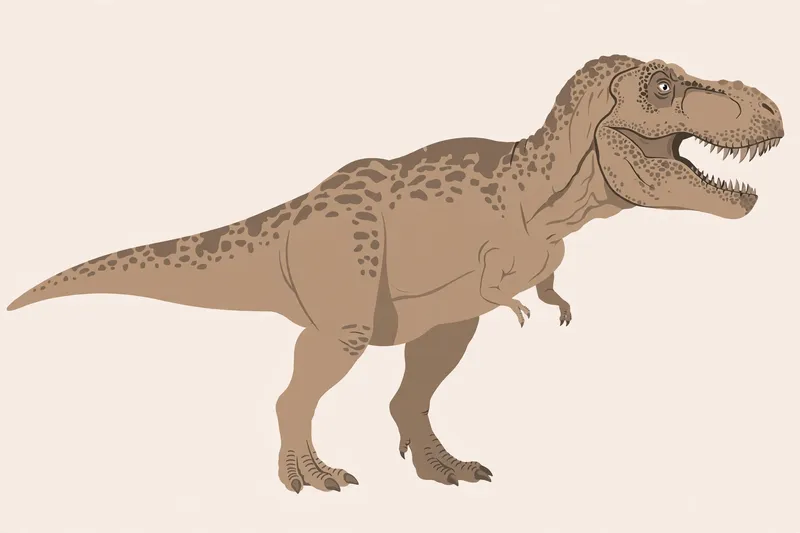 | Tyrannosaurus Rex | 12 m (39 ft 4 in) approx. | length | Tyrannosaurus Rex (extinct) was a large carnivorous dinosaur from the Late Cretaceous. |
| Whale Shark | 12 m (39 ft 4 in) approx. | length | The whale shark is the largest living fish species. | |
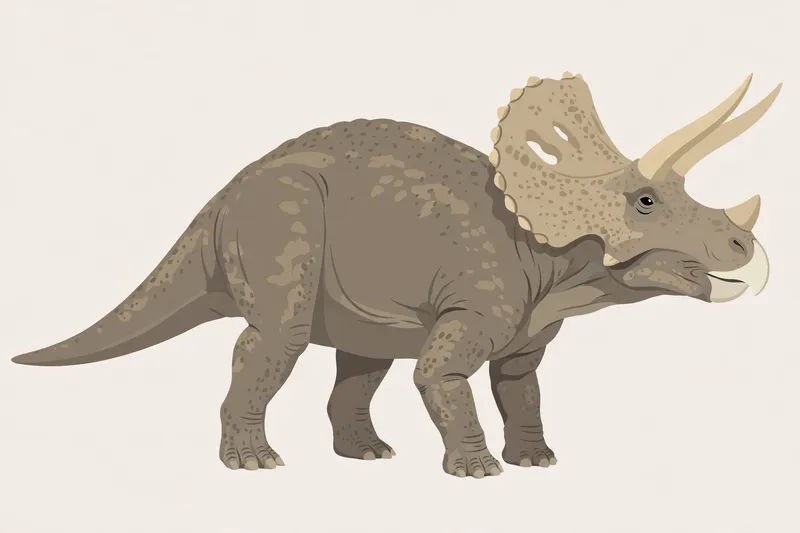 | Triceratops | 9 m (29 ft 6 in) approx. | length | Triceratops (extinct) was a large horned dinosaur from the Late Cretaceous. |
| Stegosaurus | 9 m (29 ft 6 in) approx. | length | Stegosaurus (extinct) was a plated dinosaur from the Late Jurassic. | |
| Orca | 8 m (26 ft 3 in) approx. | length | The orca, or killer whale, is the largest member of the dolphin family. | |
| Manta Ray | 7 m (23 ft) approx. | width | The giant manta ray can have a wingspan of about 7 metres. | |
| Ankylosaurus | 6.5 m (21 ft 4 in) approx. | length | Ankylosaurus (extinct) was an armoured dinosaur from the Late Cretaceous. | |
| Reticulated Python | 6.25 m (20 ft 6 in) approx. | length | The reticulated python is the longest snake in the world. | |
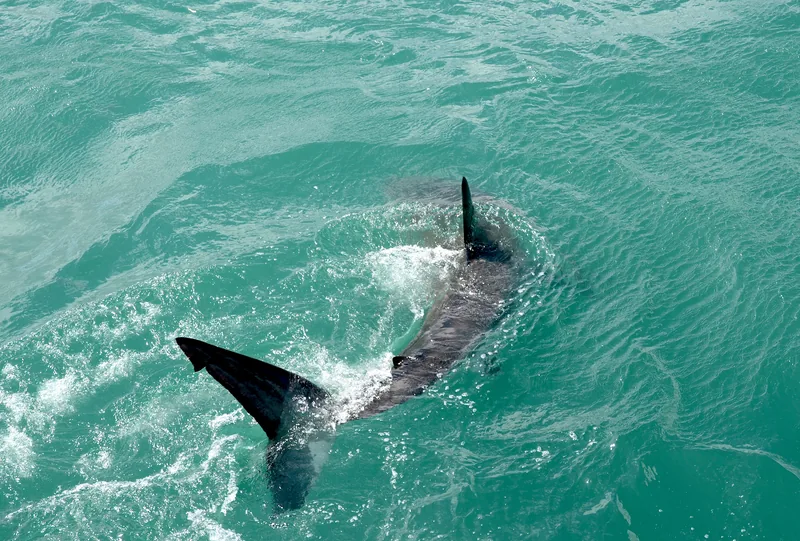 | Great White Shark | 6 m (19 ft 8 in) approx. | length | The great white shark is one of the largest predatory fish. |
| Saltwater Crocodile | 6 m (19 ft 8 in) approx. | length | The saltwater crocodile is the largest living reptile in the world. | |
| Hammerhead Shark | 6 m (19 ft 8 in) approx. | length | The great hammerhead shark is named for its wide, flattened head. | |
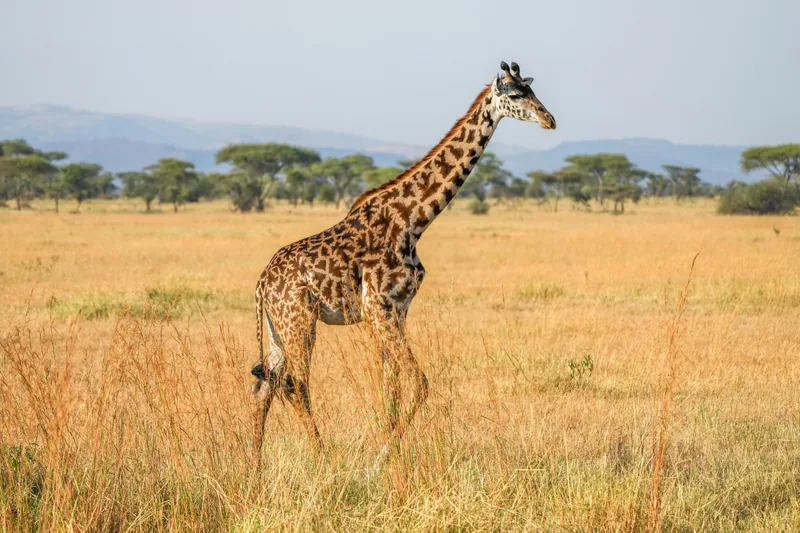 | Giraffe | 5.5 m (18 ft 1 in) approx. | height | The giraffe is the tallest living land animal on Earth. |
| Green Anaconda | 5 m (16 ft 5 in) approx. | length | The green anaconda is one of the heaviest snakes in the world. | |
| Giant Pacific Octopus | 4.5 m (14 ft 9 in) approx. | length | The giant Pacific octopus is the largest octopus species in the world. | |
| White Rhinoceros | 4 m (13 ft 1 in) approx. | length | The white rhinoceros is the largest living rhinoceros species. | |
| King Cobra | 3.7 m (12 ft 2 in) approx. | length | The king cobra is the longest venomous snake in the world. | |
| Hippopotamus | 3.5 m (11 ft 6 in) approx. | length | The hippopotamus is a large semi-aquatic mammal native to Africa. | |
| Wandering Albatross | 3.5 m (11 ft 6 in) approx. | width | The wandering albatross has the largest wingspan of any living bird. | |
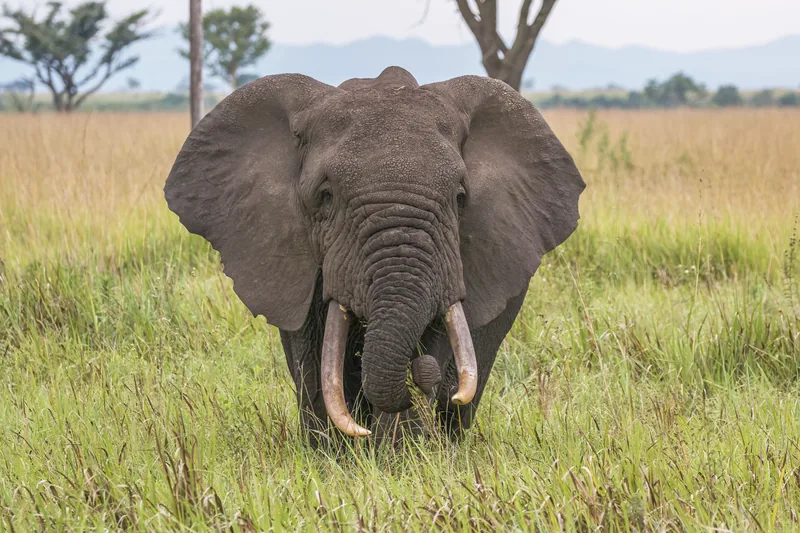 | African Elephant | 3.3 m (10 ft 10 in) approx. | height | The African elephant is the largest living land animal on Earth. |
| Tiger | 3.3 m (10 ft 10 in) approx. | length | The Bengal tiger is the largest living cat species. | |
| Komodo Dragon | 3 m (9 ft 10 in) approx. | length | The Komodo dragon is the largest living lizard species. | |
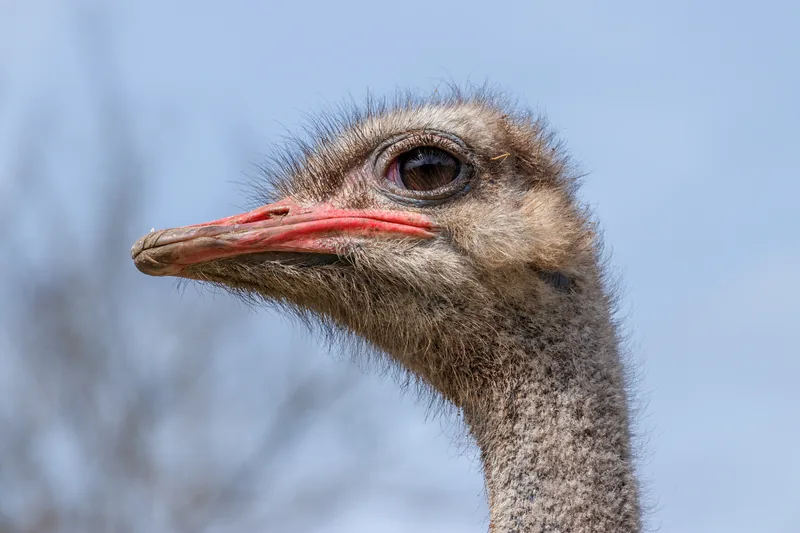 | Ostrich | 2.7 m (8 ft 10 in) approx. | height | The ostrich is the largest and heaviest living bird. |
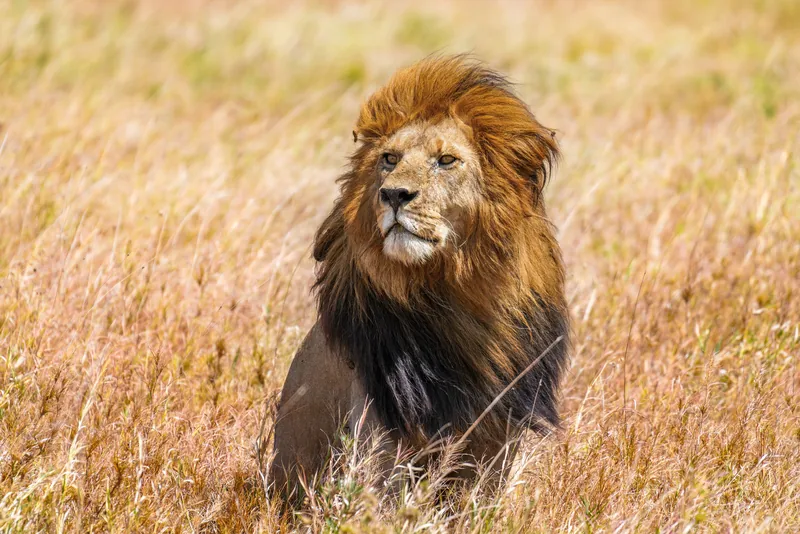 | Lion | 2.5 m (8 ft 2 in) approx. | length | A male lion can reach about 2.5 metres from nose to tail. |
| Horse | 2.4 m (7 ft 10 in) approx. | length | A typical adult horse is about 2.4 metres long. | |
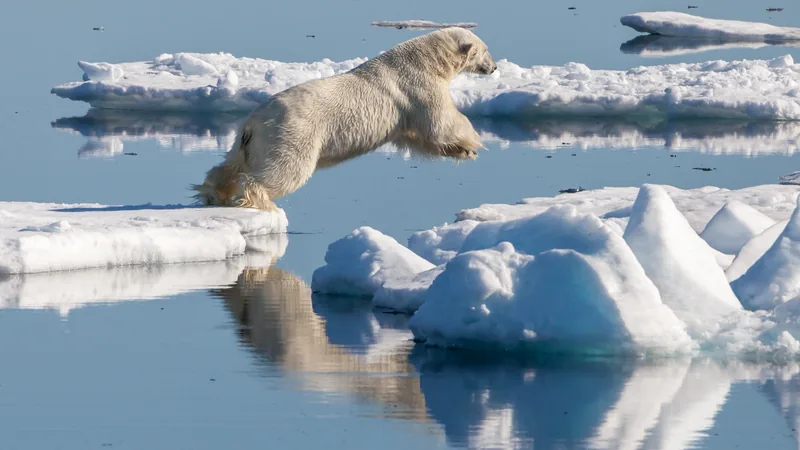 | Polar Bear | 2.4 m (7 ft 10 in) approx. | length | The polar bear is the largest land carnivore in the world. |
| Grizzly Bear | 2.4 m (7 ft 10 in) approx. | length | The grizzly bear is a large brown bear found in North America. | |
| Bald Eagle | 2.3 m (7 ft 7 in) approx. | width | The bald eagle has a wingspan of about 2.3 metres. | |
| Golden Eagle | 2.3 m (7 ft 7 in) approx. | width | The golden eagle has a wingspan of about 2.3 metres. | |
| Red Kangaroo | 2 m (6 ft 7 in) approx. | height | The red kangaroo is the largest marsupial in the world. | |
| Velociraptor | 2 m (6 ft 7 in) approx. | length | Velociraptor (extinct) was a small feathered dinosaur from the Late Cretaceous. | |
 | Human | 1.7 m (5 ft 7 in) approx. | height | An average adult human stands about 1.7 metres tall. |
| Wolf | 1.6 m (5 ft 3 in) approx. | length | The grey wolf is the largest wild member of the dog family. | |
| Cheetah | 1.5 m (4 ft 11 in) approx. | length | The cheetah is the fastest land animal over short distances. | |
| Blue Whale Heart | 1.5 m (4 ft 11 in) approx. | length | A blue whale heart is about 1.5 metres long. | |
| Emperor Penguin | 1.2 m (3 ft 11 in) approx. | height | The emperor penguin is the tallest and heaviest penguin species. | |
| Greyhound | 76 cm (2 ft 6 in) approx. | height | The greyhound is a tall, slender dog bred for racing. | |
| Dog | 60 cm (2 ft) approx. | height | A medium-sized dog stands about 0.6 metres tall at the shoulder. | |
| Cat | 46 cm (1 ft 6 in) approx. | length | A domestic cat is about 0.46 metres long, excluding its tail. | |
| Rabbit | 40 cm (1 ft 4 in) approx. | length | A domestic rabbit is about 0.4 metres long. | |
| Bee Hummingbird | 5.8 cm (2.3 in) approx. | length | The bee hummingbird is the smallest bird in the world. |
Click a name to open that item in the Compare tool. Sizes marked "approx." are approximate — see the note below. Use the metric/imperial toggle in the header to switch units; the toggle is saved in your browser.
Popular animals comparisons
- Blue Whale vs School Bus
- Elephant vs Giraffe
- Great White Shark vs Human
- Giraffe vs Double-Decker Bus
- Boeing 747 vs Blue Whale
Compare any two items Play the Daily game
Popular comparisons
- Godzilla vs Eiffel Tower
- Argentinosaurus vs Blue Whale
- Tyrannosaurus Rex vs Elephant
- Blue Whale vs School Bus
- Mount Everest vs Burj Khalifa
- Earth vs Moon
- Boeing 747 vs Blue Whale
- Brachiosaurus vs Blue Whale
- Spinosaurus vs Tyrannosaurus Rex
- Godzilla vs King Kong
Sources
Sizes on this page come from the source families listed on our Sources page, including NASA and space agencies, encyclopaedias, Guinness World Records, official landmark operators, manufacturer specifications, national parks and geological surveys, museums and maritime references. Figures marked "approx." are approximate: animal sizes are species averages or typical adult sizes, geography figures vary by measurement method, and some vehicle and everyday sizes vary by model. Standardised items, such as sports balls, are not marked approximate. If you spot a figure that looks wrong, please tell us through our Contact page — corrections are welcome.
Browse other categories
- AnimalsCompare 45 by size
- SpaceCompare 45 by size
- LandmarksCompare 45 by size
- VehiclesCompare 45 by size
- Everyday ObjectsCompare 45 by size
- GeographyCompare 45 by size
- DinosaursCompare 40 by size
- Food & DrinkCompare 40 by size
- Sports GearCompare 40 by size
- InsectsCompare 40 by size
- Pop CultureCompare 40 by size