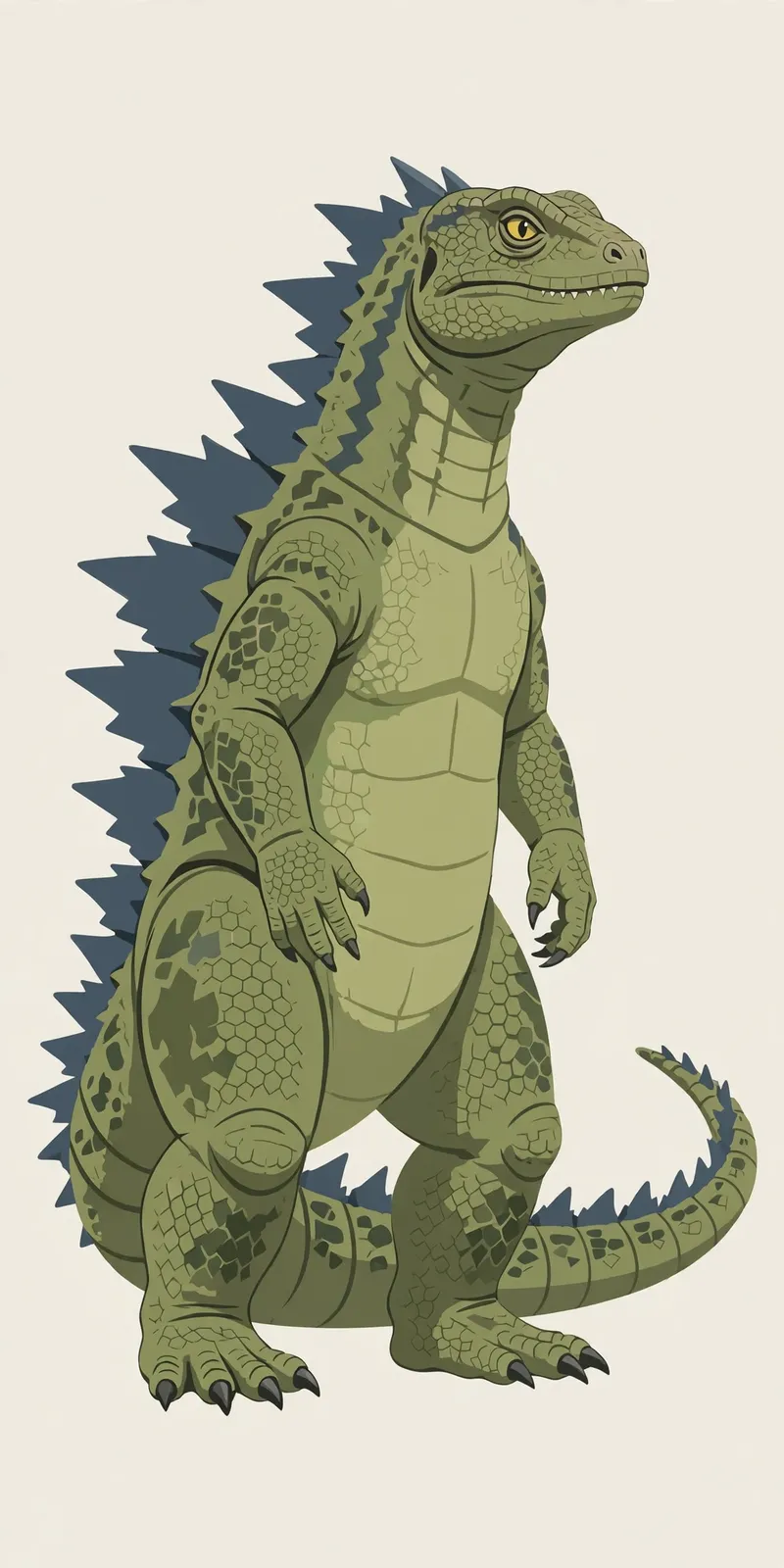
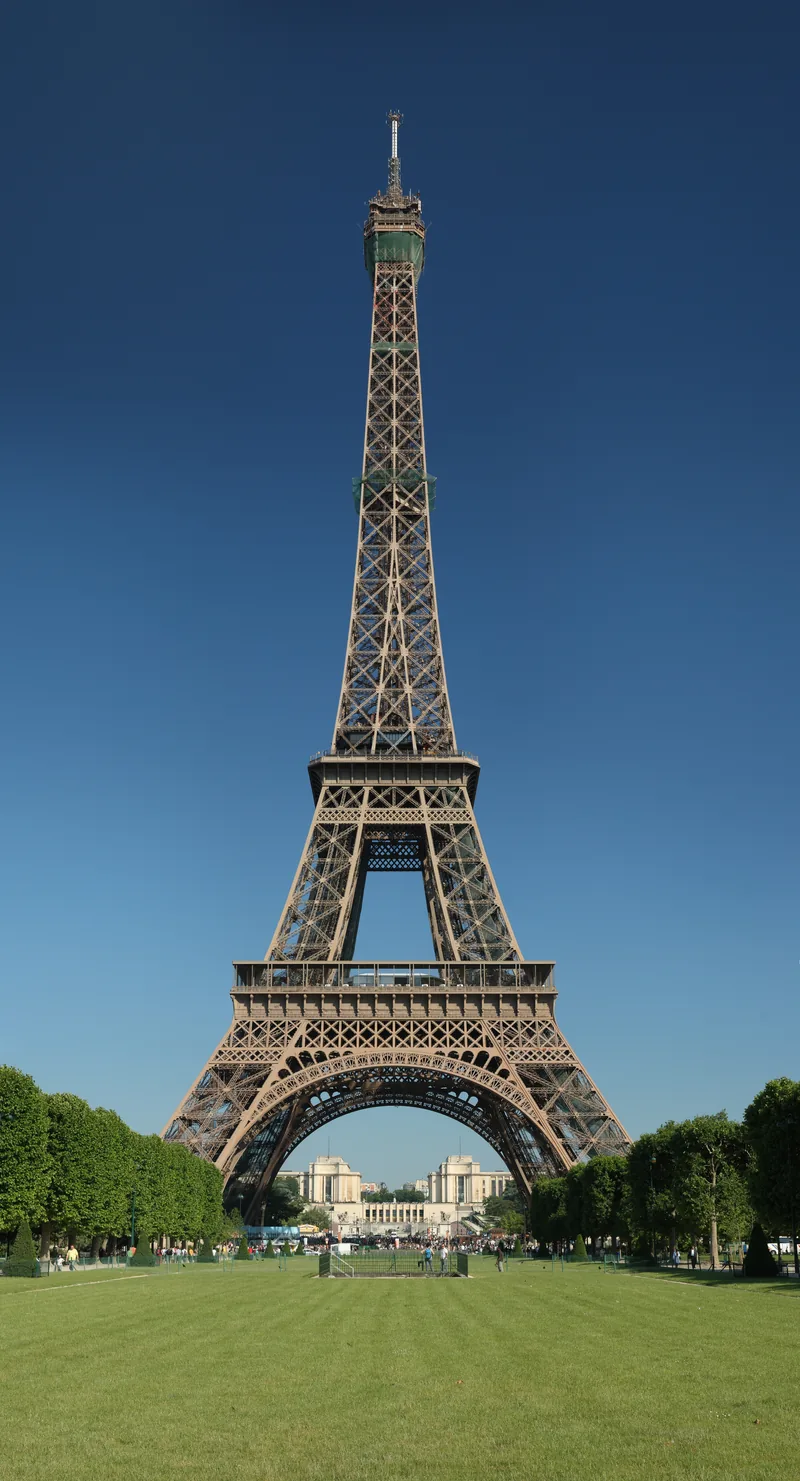
Godzilla — Godzilla is the giant monster of the long-running Japanese film series, shown here at the 120-metre height of the modern films. It measures 120 m (393 ft 8 in) (height). Eiffel Tower — The Eiffel Tower in Paris was completed in 1889. It measures 330 m (1082 ft 8 in) (height). Put the two together and the contrast is immediate: one of them is the reference point most people know, and the other is the surprise.
The numbers make the comparison precise. The Eiffel Tower is about 2.8x the size of Godzilla. The Eiffel Tower is almost three times taller than Godzilla, at his modern film height. That is the figure to remember, because it turns a vague feeling — “one is much bigger” — into something you can check. Both figures come from the sources listed on our Sources page, and the Godzilla figure is marked approximate. Where a figure is a diameter, a height, a length or a width, we say so, because comparing a height with a length is not the same as comparing two heights.
Godzilla feels enormous on screen, and at 120 metres he is — but the Eiffel Tower is a real thing you can visit, and it is nearly three times taller. Films cheat scale constantly: a monster filmed against miniature buildings looks gigantic because the buildings are small, not because the monster is. Put the two numbers side by side and the trick stops working. The tower wins, and the monster becomes imaginable — about a third of a tower, which is still far taller than anything you will meet on a street.
For everyday context, imagine lining them up. You would need about 3 of the smaller ones to match the larger one end to end, which is a useful way to picture a ratio that is otherwise just a number. Try it in the Compare tool, where you can add a third item — a human, a bus, a house — and see all three drawn to scale. Then test yourself in the Quiz, or share this page with someone and ask them to guess before they scroll down to the answer.